High-Risk Groups
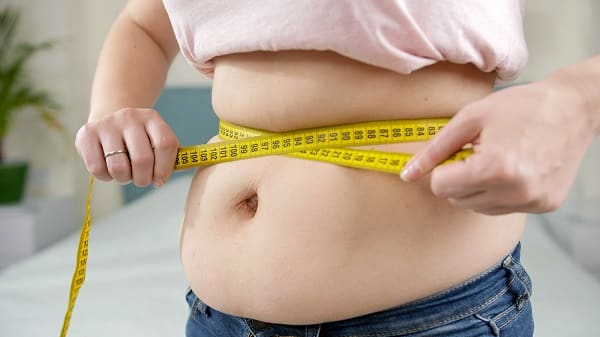
Certain populations are more vulnerable to the obesity-cancer link than others. For example, postmenopausal women who are obese have a higher risk of developing breast cancer compared to their non-obese counterparts. Similarly, obese individuals with a family history of cancer may be at an even greater risk. Understanding these high-risk groups is essential for targeted prevention and early intervention strategies.
Genetic and environmental factors also play a role in determining who is most at risk. For instance, specific genetic markers may make an individual more susceptible to obesity-related cancers. On the environmental side, factors like poor diet, lack of exercise, and socioeconomic status can contribute to both obesity and cancer risk. Identifying these high-risk groups allows for more focused public health initiatives and individualized medical care.
Prevention Strategies

Preventing obesity-related cancers involves a multi-faceted approach that includes both lifestyle changes and medical interventions. On the lifestyle front, adopting a balanced diet rich in fruits, vegetables, and lean proteins can make a significant difference. Regular exercise is another critical component, with guidelines generally recommending at least 150 minutes of moderate exercise per week.
Medical interventions can also play a role in prevention. For those who are already obese, weight-loss surgeries like gastric bypass may be an option to consider. Additionally, medications that regulate hormone levels or control inflammation could potentially reduce cancer risk. Regular screenings and check-ups are also essential, especially for those in high-risk groups, as early detection significantly improves treatment outcomes.
The Economic Impact
The financial burden of treating obesity and obesity-related cancers is staggering. In the United States, the estimated annual medical cost of obesity was $147 billion in 2008, according to the Centers for Disease Control and Prevention. When you add the costs associated with cancer treatment, the economic impact becomes even more significant. These costs are not just a burden on healthcare systems but also on individuals who may face high medical bills and loss of income.
Addressing the economic impact isn’t just a matter of reducing healthcare costs; it’s also about improving the quality of life for millions of people. Preventative measures, such as public health campaigns and early intervention programs, can offer significant economic benefits. For example, a study published in Health Affairs estimated that a 5% reduction in body mass index (BMI) across the population could save $29.8 billion in healthcare costs over 20 years. Thus, tackling the obesity-cancer link is not just a health imperative but an economic necessity.
The Future Outlook: What Needs To Change

The current state of public health policies concerning obesity and cancer leaves much to be desired. While there are initiatives aimed at promoting healthier lifestyles, they often fall short in addressing the specific link between obesity and cancer. More targeted policies are needed, such as obesity prevention programs that also include cancer screenings for high-risk individuals. Additionally, there’s a pressing need for more research to understand the biological mechanisms that connect obesity to cancer, which could lead to more effective treatments.
Public health policies are not the only area that requires change; individual and community responsibility is equally crucial. People need to be educated about the risks associated with obesity and how it can lead to cancer. Healthcare providers should be trained to discuss these risks with their patients openly. Communities can also play a role by providing accessible exercise facilities and promoting healthier food options. The fight against the obesity-cancer link is a collective effort that requires action from all sectors of society.
The Bottom Line
The terrifying link between obesity and cancer is a wake-up call that can’t be ignored. While this article has explored the biological factors, high-risk groups, and economic implications, the real takeaway is the urgent need for action. Whether it’s adopting a healthier lifestyle or advocating for more targeted public health policies, the time to act is now. This isn’t just about statistics or medical jargon; it’s about real lives that can be saved through awareness, prevention, and timely intervention.