Embarking on a weight loss journey can be challenging, but setting realistic goals and following a well-structured plan can make it more achievable. This article will discuss tips for creating and achieving your weight loss goals by focusing on nutrition, physical activity, developing a support system, managing stress and sleep, setting SMART goals, and staying motivated. By implementing these strategies, you will be better equipped to reach your weight loss goals and maintain a healthy lifestyle.
Setting Realistic Weight Loss Goals
Setting realistic and achievable targets is the first step towards achieving your weight loss goals. It’s essential to understand that weight loss is a gradual process, and setting unrealistic goals may lead to disappointment and demotivation. Factors like age, current weight, and lifestyle play a crucial role in determining a healthy weight loss goal. Experts typically recommend losing 1-2 pounds per week at a safe and sustainable rate.
Creating A Plan To Reach Your Weight Loss Goals
A well-structured plan can make a significant difference in your weight loss journey. Start by breaking down your overall goal into smaller, more manageable milestones. This will help you stay focused and motivated. Track your progress regularly and adjust your goals as needed. For example, you may need to increase your exercise intensity or modify your diet based on your results. Remember that weight loss is not always linear, and it’s important to remain flexible and adaptable throughout the process.
Importance Of Nutrition
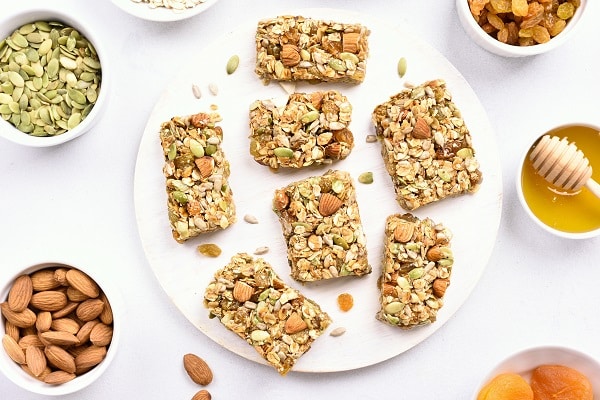
A balanced diet plays a vital role in achieving your weight loss goals. Consuming various nutrient-dense foods can help you feel full and satisfied, reducing the likelihood of overeating. Focus on incorporating lean protein sources, whole grains, fruits, vegetables, and healthy fats into your meals. Additionally, practicing portion control can help prevent overeating and make it easier to stay within your daily calorie allowance.
Drinking water is another important aspect of nutrition for weight loss. Staying well-hydrated can help control appetite and promote overall well-being. Aim to drink at least 8 cups of water daily, and consider consuming more if you are physically active or live in a hot climate. Be mindful of liquid calories from beverages like soda, juice, and alcohol, as these can add up quickly and hinder your weight loss efforts.
Incorporating Physical Activity

Regular exercise supports weight loss and improves overall health and well-being. Aim to engage in at least 150 minutes of moderate-intensity aerobic activity or 75 minutes of vigorous-intensity aerobic activity each week. This includes brisk walking, swimming, cycling, and dancing. Don’t forget to incorporate strength training exercises to build muscle and boost metabolism.
Finding an activity you enjoy is essential for long-term adherence. Consider trying different types of exercises and alternating your routine to keep it interesting and fun. If you’re new to exercise or have a busy schedule, start with short sessions and gradually increase the duration and intensity as you become more comfortable and confident.