Poor Sleep That Increases Cravings
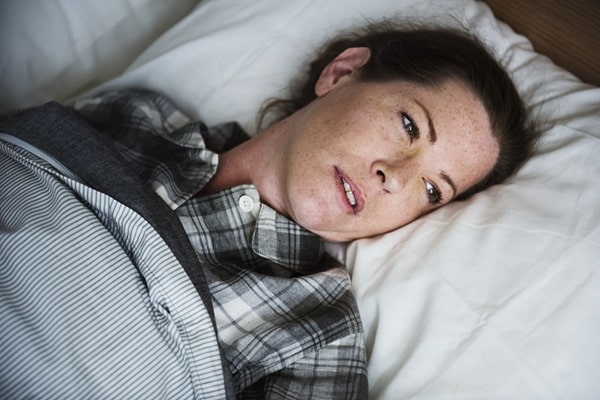
Sleep quality often declines with age, and poor sleep directly affects fat loss. Short or disrupted sleep increases hunger, reduces energy, and weakens decision making. Evening cravings become harder to manage, and workouts feel more difficult the next day. Many people blame lack of discipline when sleep is the real issue.
Improving sleep starts with simple routines. Keeping a consistent bedtime, reducing late caffeine, dimming lights, and creating a short wind down period can improve sleep quality. Planning a balanced dinner that includes protein and fiber helps prevent late night snacking. Better sleep makes healthy choices feel easier and more automatic.
Letting Stress Control Eating Habits

Stress is a major but overlooked factor in stalled fat loss after 40. High stress often leads to skipped meals, emotional eating, and reliance on convenience foods. It also reduces motivation for exercise and meal preparation. Over time, stress driven habits create inconsistency that looks like a slow metabolism.
Creating stress resistant routines helps break this cycle. Simple repeat meals during the workweek reduce decision fatigue. Scheduling workouts like appointments improves follow through. Non food stress outlets such as walking, stretching, or quiet time provide relief without calories. Lower stress improves consistency, which is essential for long term fat loss.
Overlooking Hormonal Changes

For many women, hormonal shifts during midlife affect body composition and fat distribution. Abdominal fat becomes more common, and muscle loss accelerates if strength training is neglected. Old dieting methods that relied on heavy restriction often become less effective and increase fatigue instead of results.
The most effective approach focuses on controllable habits. Strength training, adequate protein, daily movement, and quality sleep support body composition through hormonal changes. Tracking waist measurements and strength progress helps identify improvements that the scale may not show. Consistency with these basics produces better results than extreme adjustments.
Hidden Calories and Weekend Reset Cycles
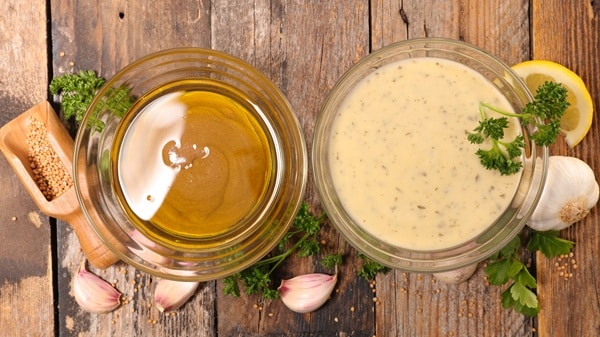
Another common mistake is underestimating calorie intake. Even healthy foods can be calorie dense, and small extras add up quickly. Cooking oils, dressings, snacks, drinks, and larger weekend portions often erase weekday progress. This creates unpredictable results and frequent plateaus.
A simple consistency plan prevents this issue. Using the plate method, pre portioning calorie dense foods, and setting a weekly treat allowance keeps intake balanced. Short periods of tracking can be used as an audit tool when progress stalls. Returning to a flexible structure afterward helps maintain results without obsession.
The Smarter Way Forward After 40
Fat loss after 40 is not about doing more. It is about doing the right things consistently. Avoiding common mistakes related to protein intake, muscle loss, movement, sleep, stress, and hidden calories allows the body to respond again. When habits support the body instead of fighting it, fat loss becomes steady and sustainable. Small corrections applied consistently often lead to better results than drastic changes ever could.