Enhances Digestive Health

Kale is a boon for digestive health, primarily due to its high fiber content. This crucial nutrient aids in promoting regular bowel movements, thereby preventing constipation and maintaining a healthy digestive tract. Fiber also helps in bulking up stool and ensures smooth passage through the intestines. Regular consumption of kale can contribute to a well-functioning digestive system, essential for overall health and well-being.
In addition to aiding in digestion, kale plays a role in nurturing a healthy gut microbiome. The fiber in kale acts as a prebiotic, feeding the beneficial bacteria in the gut. A balanced gut microbiome is linked to numerous health benefits, including improved digestion, enhanced immune function, and even better mental health. Thus, incorporating kale into the diet can have far-reaching benefits for the digestive system.
Strengthens Bone Health

Kale is an excellent source of calcium and vitamin K, both essential for strong and healthy bones. Calcium is a key building block of bones, and vitamin K is crucial for bone metabolism and preventing bone loss. Regular consumption of kale can contribute significantly to maintaining bone density and preventing conditions like osteoporosis, especially important as one ages.
Beyond calcium and vitamin K, kale also contains other minerals like magnesium and phosphorus, which are vital for bone health. These minerals work in conjunction with calcium to strengthen bones and teeth. By including kale in the diet, one can ensure an adequate intake of these essential nutrients, supporting the maintenance of strong bones.
Contains Anti-Cancer Compounds
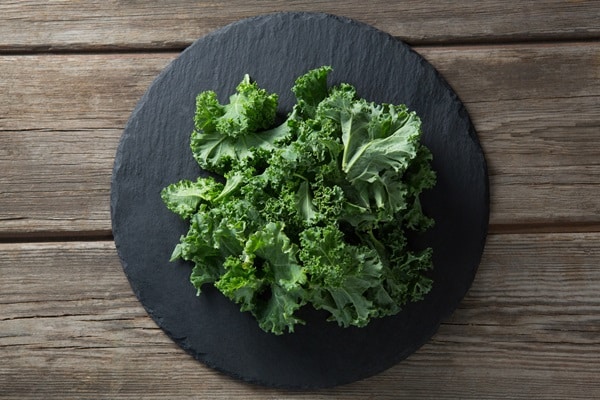
Kale is notable for its concentration of glucosinolates, compounds that have been studied for their potential to reduce cancer risk. When kale is consumed, these compounds break down into bioactive substances that may inhibit the growth of cancer cells. Research suggests that a diet rich in cruciferous vegetables like kale can play a role in lowering the risk of several types of cancer.
Antioxidants and phytonutrients in kale also contribute to its anti-cancer properties. These substances help combat oxidative stress, a factor in the development of cancer. By neutralizing harmful free radicals, antioxidants in kale can contribute to cellular health and reduce the risk of cancerous transformations.
Easy To Incorporate Into Diet

Kale can be easily incorporated into the diet in various delicious and nutritious ways. It can be added to salads, soups, and stews, or used as a hearty addition to smoothies. Kale chips make for a crunchy, healthy snack, and sautéed kale can be a flavorful side dish. Its versatility in the kitchen means it can be adapted to suit a wide range of tastes and dietary preferences.
Another advantage of kale is its ability to retain nutritional value when cooked. Whether steamed, boiled, or stir-fried, kale maintains its high levels of vitamins and minerals. This flexibility in preparation methods ensures that one can enjoy the health benefits of kale regardless of cooking preference.
The Bottom Line
Kale stands out as a nutrient-rich superfood, offering a multitude of health benefits. From enhancing heart health and boosting immunity to promoting digestive wellness and strengthening bones, the advantages of kale are comprehensive. Its anti-cancer properties and ease of incorporation into daily diets further elevate its status. Embracing kale as part of a balanced diet can lead to significant improvements in health and well-being, making it a worthy addition to any meal. In the journey towards optimal health, kale emerges as a versatile and powerful ally.