In today’s digitally driven world, fitness apps have surged in popularity, becoming integral tools for millions seeking to maintain or improve their health and wellness. These applications, packed with features like step counting, calorie tracking, and personalized workout regimes, have revolutionized how we approach fitness. However, this revolution brings with it a critical question: Are these apps causing users to become excessively fixated on numbers? This article delves into this phenomenon, exploring whether the numerical focus of fitness apps is leading to an unhealthy obsession, potentially overshadowing their benefits.
The Evolution of Fitness Apps
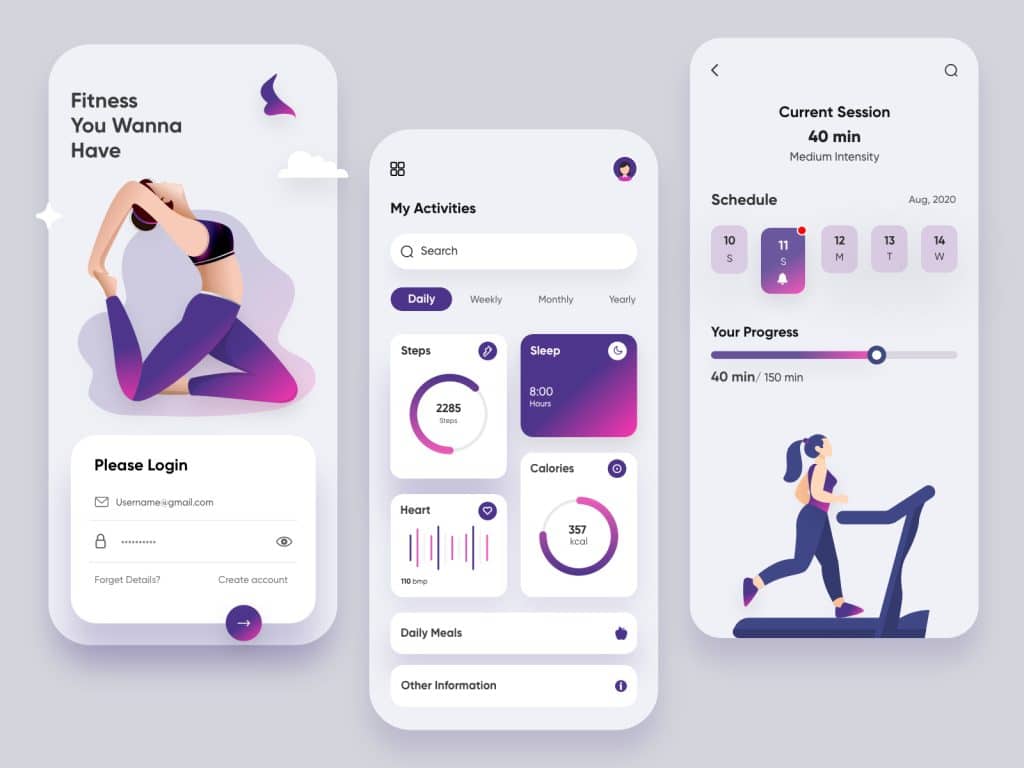
Fitness apps have come a long way from their humble beginnings as simple step counters. Initially designed to track basic physical activity, these apps have evolved into sophisticated health companions, offering a myriad of features like sleep tracking, nutritional guidance, and personalized workout plans. This evolution reflects the technological advancements and the increasing demand for comprehensive health solutions. As these apps continue to integrate more features, their influence on daily fitness routines has become undeniable, marking a significant shift in how people approach personal health and wellness.
The rise of fitness apps can be attributed to their ability to cater to a wide range of fitness goals and lifestyles. From casual walkers to fitness enthusiasts, these apps offer something for everyone, resulting in a diverse user base. This inclusivity, coupled with the convenience of having a personal trainer in your pocket, has led to an explosion in their popularity. Today, these apps are not just tools for tracking physical activity but platforms that offer a holistic approach to health, influencing users’ lifestyle choices and behaviors.
Benefits of Fitness Apps
Fitness apps are celebrated for their role in promoting physical activity and a healthier lifestyle. By providing users with real-time data on their activities, these apps help in setting and achieving fitness goals, turning mundane exercises into engaging challenges. Features like step counters, distance trackers, and calorie burn estimators serve as motivators, pushing users to reach their daily or weekly targets. This gamification of fitness has been pivotal in encouraging more people to stay active, making fitness a more accessible and enjoyable pursuit for many.
Beyond physical activity, these apps also play a significant role in fostering a sense of community and belonging among users. Social features, such as sharing progress, participating in challenges, and competing with friends, add a social dimension to fitness, making it a shared experience. This social connectivity not only enhances motivation but also provides a support system vital for maintaining a long-term commitment to fitness. Moreover, the data-driven approach of these apps in tracking progress allows users to see tangible results, reinforcing the positive impact of their efforts on their health.
The Numbers Obsession Phenomenon
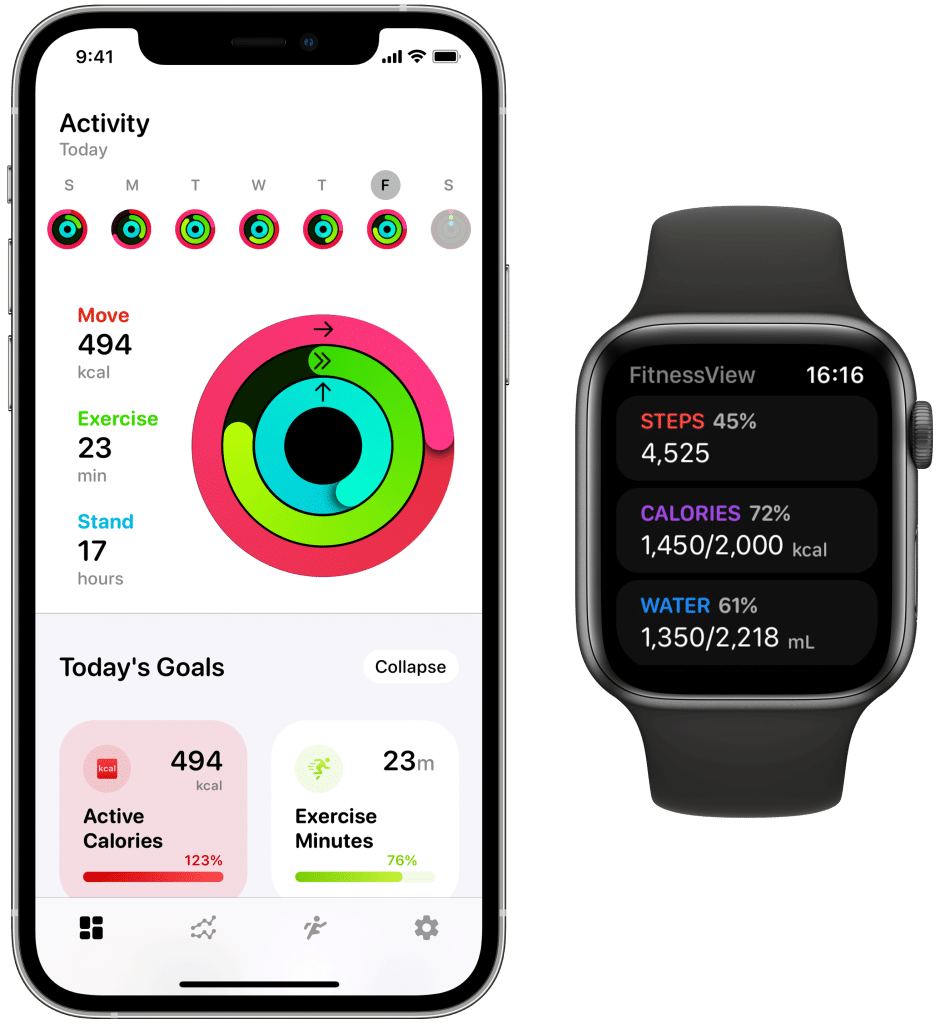
While fitness apps offer numerous benefits, they also introduce the potential for an unhealthy obsession with numbers. This phenomenon is characterized by an excessive focus on metrics like calories burned, steps taken, and pounds lost. For some users, these numbers become more than just indicators of progress; they transform into the sole determinants of success and self-worth in their fitness journeys. This obsession can manifest in various ways, from constantly checking the app to letting these metrics dictate one’s mood and self-esteem.
The impact of this obsession is not just psychological but also affects lifestyle choices. For instance, some individuals might push themselves too hard in workouts just to achieve a certain number of calories burned, ignoring their body’s signals of fatigue or discomfort. Others might fixate on the calorie count of every meal, leading to restrictive eating patterns that could harm their health. Experts in psychology and fitness have noted this trend, expressing concerns about the potential negative effects on mental and physical well-being. The challenge lies in finding a balance between leveraging these apps for their benefits while not allowing the numbers to overshadow the holistic nature of health and fitness.
Negative Impacts on Mental Health

The obsession with fitness app numbers can have profound negative impacts on mental health. Users who constantly chase numerical goals may experience increased levels of stress and anxiety, especially if they fail to meet their daily or weekly targets. This constant pressure to perform can lead to a cycle of guilt and disappointment, adversely affecting one’s mental well-being. Furthermore, this obsession can exacerbate body image issues, as individuals might equate their self-worth with the numbers reflected on their apps, leading to a distorted perception of their body and potentially triggering disorders like body dysmorphia.
In extreme cases, the fixation on data can result in unhealthy competition, both with oneself and others, fostering an environment of constant comparison. This can diminish the joy of physical activity, transforming what should be a positive and empowering experience into a source of stress and negativity. Mental health experts caution against allowing fitness apps to dictate one’s happiness and self-esteem. They advocate for a more balanced approach, where the focus is on overall well-being rather than just numerical achievements, to mitigate these adverse mental health effects.
Physical Health Risks
While fitness apps are designed to enhance physical health, an obsession with the numerical data they provide can lead to significant physical health risks. Overexercising is a primary concern, as users might push their bodies beyond healthy limits to achieve certain app targets, like a specific number of steps or calories burned. This overexertion can lead to injuries, chronic fatigue, and other health issues. Additionally, there is the risk of ignoring the body’s natural signals. Relying solely on app data might cause users to overlook important cues such as pain, discomfort, or the need for rest, potentially leading to serious health complications.
Another critical concern is the development of unhealthy eating habits, especially with apps that focus on calorie counting and diet tracking. Users might become overly restrictive with their diets, aiming to meet specific caloric goals, which can lead to nutritional deficiencies and eating disorders. The emphasis on numbers can overshadow the importance of a balanced diet, leading to an unhealthy relationship with food. Health professionals emphasize the need for a holistic approach to fitness and nutrition, where the focus is on overall health and well-being rather than just meeting numerical targets set by an app.
Balance and Moderation
Achieving a balance in the use of fitness apps is crucial for maintaining both mental and physical health. It involves recognizing the benefits of these apps while being mindful of their potential pitfalls. Users are encouraged to use fitness apps as tools for guidance and motivation rather than as definitive arbiters of their health and fitness. This means setting realistic goals, understanding the limitations of these apps, and not allowing the data to dominate one’s fitness journey or self-perception. Listening to one’s body and respecting its limits is as important as tracking fitness metrics. It’s essential to acknowledge that not every day will be optimal in terms of performance, and that’s perfectly okay.
Incorporating advice from fitness and mental health professionals can provide valuable insights into using these apps effectively and healthily. Experts often suggest integrating other forms of health monitoring, such as mindfulness practices and intuitive exercising, which focus on how one feels rather than what the numbers say. They also recommend regular breaks from these apps to prevent an over-reliance on them. By fostering a balanced approach and prioritizing overall well-being over numerical achievements, individuals can enjoy the benefits of fitness apps without falling into the trap of obsession.
Alternatives to Fitness Apps
Exploring alternatives to fitness apps is essential for those seeking a less numbers-focused approach to health and wellness. Traditional methods, such as keeping a fitness journal, can offer a more personalized and reflective way to track progress, allowing for a deeper understanding of one’s fitness journey without the constant bombardment of digital data. Personal trainers or group fitness classes provide tailored guidance and real-world social interactions, which can be more motivating and less isolating than digital platforms. Additionally, these methods often encourage a more intuitive approach to fitness, focusing on how the body feels and responds to exercise rather than strict adherence to numerical targets.
The concept of mindfulness in exercise is gaining traction as an effective alternative to fitness apps. This approach emphasizes being present and fully engaged in physical activity, listening to the body’s cues, and exercising for the sake of well-being rather than for the sake of meeting digital targets. Holistic health practices, such as yoga or pilates, which integrate mental and physical health, are also excellent alternatives. These practices encourage a balanced lifestyle, where fitness is just one aspect of overall health, including mental, emotional, and spiritual well-being. Embracing these alternatives can lead to a healthier relationship with fitness, free from the constraints of numerical obsession.
The Future of Fitness Apps
The future of fitness apps looks set to address the current concerns regarding an overemphasis on numerical data. Technological advancements may lead to more sophisticated algorithms that focus on holistic health indicators rather than just quantifiable metrics. These future apps could incorporate features that promote mental well-being, mindfulness, and a more intuitive approach to physical health. Developers are likely to become more aware of the psychological impacts of their platforms, potentially leading to a new generation of fitness apps that balance quantitative data with qualitative well-being.
There’s also a growing awareness among users about the potential drawbacks of over-reliance on fitness apps. This awareness could drive a change in user behavior, with a shift towards a more balanced approach to health and fitness. App developers play a crucial role in this evolution, and their responsibility extends beyond just providing data. They need to create platforms that encourage users to maintain a healthy relationship with their physical and mental health. The future could see a more informed and balanced use of technology in fitness, where apps support rather than dominate the user’s health journey.
Reflecting on the Role of Fitness Apps in Our Lives
While fitness apps have revolutionized the way we approach health and wellness, it’s vital to be mindful of their potential to foster an obsession with numbers. This blog post has explored the various dimensions of this phenomenon, highlighting both the benefits and drawbacks of these digital tools. The key lies in striking a balance—using these apps as aids in our fitness journey without letting numerical metrics dictate our self-worth or well-being. As we move forward, it’s essential to remember that true health encompasses physical, mental, and emotional balance, a goal that extends beyond what any app can quantify.