There are various diets and exercises to lose weight, but you often end up with hunger pangs and a rumbling stomach. It eventually leads to long hours of agony and then extra snacking. However, you can avoid all of this with straightforward and effective tips.
Before moving on to the tips, it is crucial to understand the difference between hunger and appetite. Hunger is the need for food when your body is running low on sugar, and appetite is the want or desire for food. Hunger keeps us alive, but appetite contributes more to gaining weight.
The following tips will help you to reduce your appetite and work on your hunger.
Relax

Stress is a major factor of not feeling full even after having a full meal. Stress increases cortisol levels, leading to hunger and overeating, making it very difficult to lose weight. To tackle this, you have to learn to control your stress level by relaxing. There are several different techniques. You can specifically eat stress-fighting food. Talking to friends or/and therapist is an excellent way to deal with stress. Some other ways are to go for a walk, meditation, and yoga. Once your stress level goes down, so will your stress-eating.
Beef Up The Salad

There is no doubt that salads are must-eat diet food. After all, the green, leafy vegetables are full of innumerable nutrients, vitamins, and minerals. But the crunchy dish is incomplete as it does not have carbohydrates and protein. The carbohydrates provide energy to the body and brain, and the protein makes you feel full and satisfied. This inevitably leads to craving more food and an extra intake of daily calories.
To make a salad fulfilling, you have to beef it up with healthy fats or/and protein. You can add nuts, beans, eggs, or chicken. As fats and protein take time to digest, they stay in the stomach longer, making you feel full and reducing your appetite.
Drink Up

Sometimes, all you need is a tall glass of water when you feel hungry. The hypothalamus regulates both hunger and thirst, and it often ends up mixing up the signals. So, having a good amount of water intake throughout the day not only ensures the reduction of your appetite but also keeps your energy up along with keeping the metabolism high. It is extra beneficial to drink water before a meal. Avoid artificially sweetened drinks like sodas and energy drinks as they only contribute to weight gain and health problems.
Avoid TV While Eating
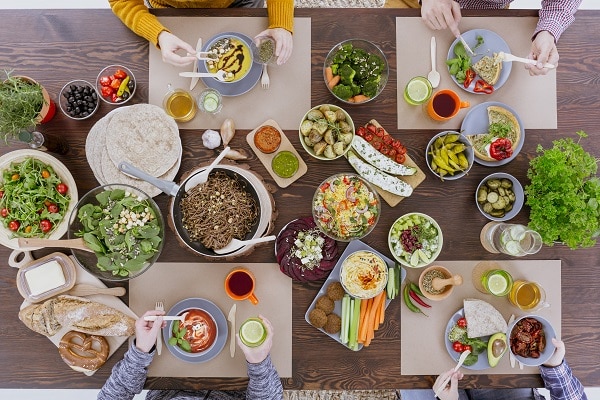
In our frantic lives, we try to squeeze in a little TV time or scroll on the phone while eating. This gives us time to catch up on our favorite shows, but this is risking our waistline. When we multitask during eating, especially in front of a screen, it prevents the satiety signals from reaching the brain on time. Research shows that people can end up consuming hundreds of extra calories when distracted rather than focused on their meal. To avoid this extra intake of calories, make sure that there are no distractions around you while you eat.
Perceive Larger Portions
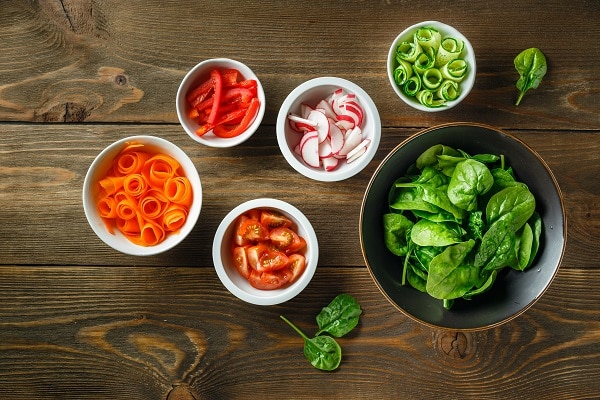
For dieting, you need to eat small portion sizes. But if you perceive those same portions as bigger, you will feel fuller and more satisfied. Psychology plays a big part in weight loss and feeling full. You can manipulate your beliefs by using smaller cups, bowls, and plates. So, even if you had a smaller portion of food, your brain will think you had more. A study conducted served two groups of people the same amount in their smoothie, but one group was shown a larger quantity of fruit than the other. The group with the higher quantity of fruit was satisfied for a longer period of time.
Cut Your Food Into Smaller Pieces

Another way to cut down your appetite is to cut your food into smaller pieces. Researchers showed that people who ate smaller portions of the same meal for breakfast consumed 25% fewer calories during lunch than those who did not eat smaller pieces. To feel full and satisfied, you can cut your sandwiches and other food items into bite-sized pieces. This ends up tricking your brain into thinking that you are eating more than you actually are.