
Nuts and Seeds: Small Foods With a Satisfying Fiber Payoff
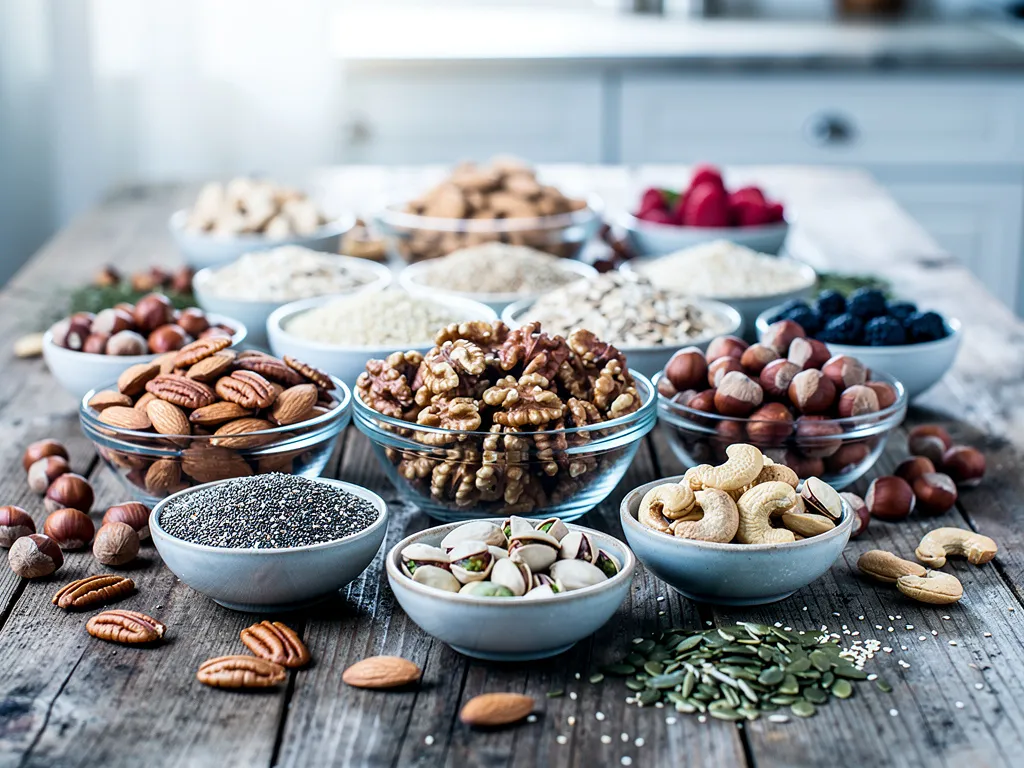
Nuts and seeds deliver fiber in a compact form, alongside protein and unsaturated fats, which is a combination that tends to be filling. Almonds, pistachios, and walnuts are common choices, while chia seeds, flaxseed, and hemp seeds are popular additions to yogurt, oatmeal, and smoothies. Chia seeds are notable because they absorb liquid and form a gel, which is the same viscous behavior that makes soluble fiber useful for slowing digestion. Ground flaxseed is generally easier to digest than whole flaxseed, which can pass through the body largely intact.
Because nuts and seeds are energy-dense, portion awareness is useful for anyone watching calories. A small handful or a spoonful sprinkled over a meal can add texture and staying power without dominating the total intake.
Building High-Fiber Meals That Support Weight Management

Fullness tends to be strongest when fiber is paired with protein, since protein is widely recognized as a highly satiating nutrient. A bowl of oatmeal topped with berries, chia seeds, and Greek yogurt, a lentil soup served with a side salad, or a grain bowl combining beans, roasted vegetables, and a small amount of avocado all follow this pattern. The goal is not to chase a single “superfood” but to combine several fiber sources so that each meal has volume, texture, and a mix of nutrients.
Weight management depends on overall eating patterns, activity, sleep, medications, and individual health, and fiber alone does not guarantee weight loss. What it can do is make a lower-calorie eating pattern easier to sustain by reducing the need to rely on willpower between meals. Choosing whole, minimally processed versions of foods over refined ones is a simple shift that raises fiber intake without requiring a complicated plan.
Key takeaway
Whole foods such as legumes, oats, fruit with the skin, vegetables, nuts, and seeds are the most dependable ways to add fiber, and they work best when combined with protein and eaten consistently.
Adding Fiber Gradually and Drinking Enough Fluids
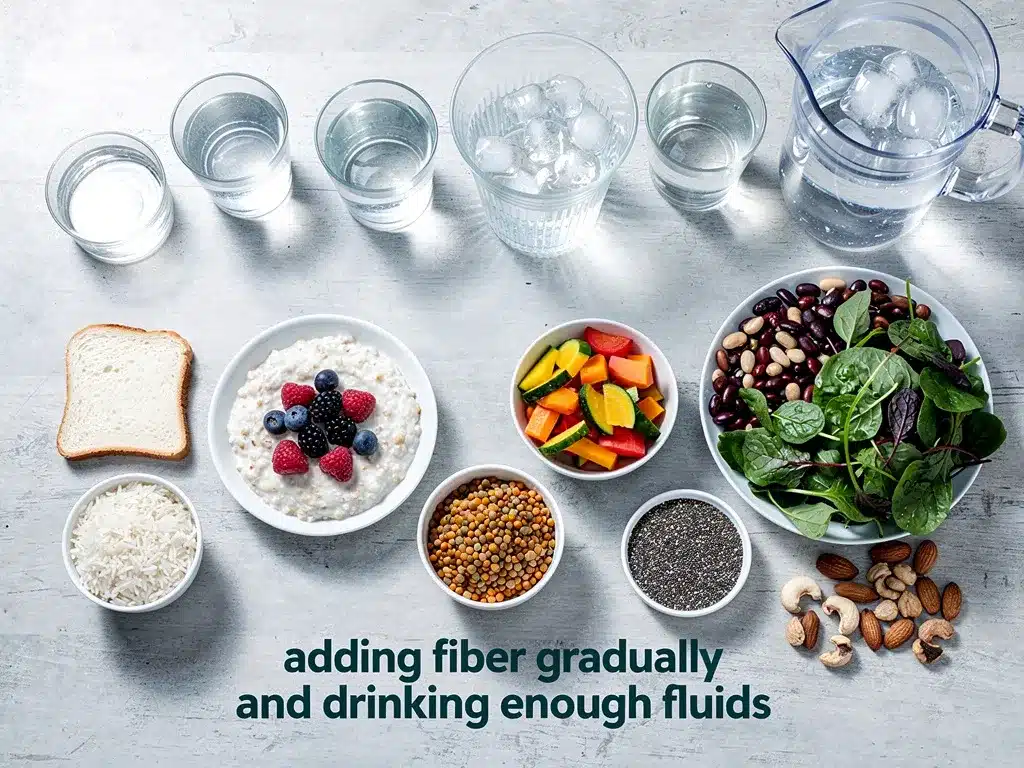
Raising fiber intake too quickly can cause bloating, gas, cramping, or changes in bowel habits. Most nutrition guidance suggests increasing fiber gradually over a period of weeks so the digestive system and gut bacteria can adapt. Fluid intake matters as well, because fiber draws water into the digestive tract, and eating a great deal of fiber with too little fluid can contribute to constipation rather than relieve it.
Some people need individualized advice. Those with irritable bowel syndrome, inflammatory bowel disease, a history of intestinal obstruction, or other digestive conditions may tolerate certain fibers poorly, and some fiber types can worsen symptoms for them. Anyone managing a medical condition, taking medication that interacts with diet, or preparing for a significant change in eating habits should speak with a physician or registered dietitian before making large adjustments.
Staying Satisfied Longer, One Fiber-Rich Plate at a Time

Fiber-rich foods that keep you full longer are not a shortcut, but they are a dependable, food-first way to make meals more satisfying. Legumes, whole grains, fruits, vegetables, nuts, and seeds each contribute different kinds of fiber, and together they add bulk, slow digestion, and pair well with protein to stretch the time between meals. The research on fiber and fullness is nuanced, with the strongest support coming from whole foods rather than isolated supplements, so the most realistic approach is to build variety into everyday meals, increase intake gradually, drink enough fluids, and seek personalized guidance when a health condition is involved. Small, steady changes to what fills the plate are more likely to last than dramatic overhauls, and lasting habits are what ultimately support long-term weight management.