Weight loss surgery, often seen as a quick fix for obesity, has grown in popularity over the years. Procedures like gastric bypass and sleeve gastrectomy are commonly sought after for their rapid results in weight reduction. However, beneath these apparent benefits lie hidden dangers that are less frequently discussed. This article delves into the various risks and complications associated with weight loss surgeries, aiming to shed light on aspects that often go unnoticed or under-discussed. From psychological impacts to long-term health complications, it is crucial to understand these risks to make informed decisions about undergoing such significant medical procedures.
The Psychological Impact of Rapid Weight Loss

The drastic change in body image post-surgery can often lead to significant psychological distress. Patients may struggle with the rapid physical changes, leading to feelings of anxiety, depression, or body dysmorphia. Furthermore, the sudden change in lifestyle and dietary habits can be overwhelming, necessitating a strong support system and mental health counseling.
Additionally, there’s a risk of developing an unhealthy relationship with food. Post-surgery dietary restrictions can sometimes lead to eating disorders or an obsession with food and calorie intake. Patients need comprehensive counseling before and after surgery to mitigate these risks and ensure a healthy transition to their new lifestyle.
Nutritional Deficiencies and Health Complications

Weight loss surgeries, by design, limit food intake and can lead to nutritional deficiencies. Patients might suffer from a lack of essential vitamins and minerals, leading to conditions such as anemia, osteoporosis, or even neurological disorders. These deficiencies often require lifelong supplementation and regular medical monitoring.
The alteration in the digestive system can also lead to complications like dumping syndrome, where food moves too quickly through the digestive tract. This condition can result in symptoms like nausea, weakness, and diarrhea, significantly impacting the patient’s quality of life. Therefore, patients must adhere to strict dietary guidelines and undergo regular health checkups to monitor and address these complications.
Risks During and Immediately After Surgery
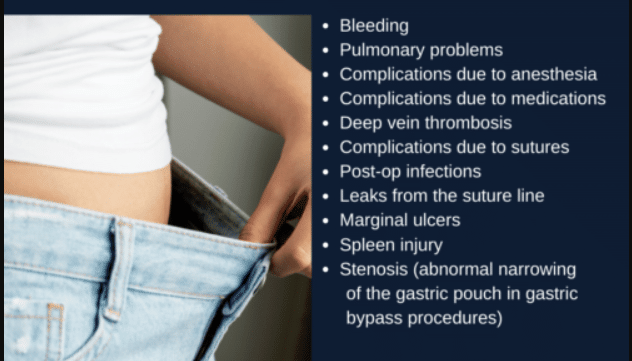
Every surgical procedure carries inherent risks, and weight loss surgeries are no exception. Patients face potential complications such as infections, adverse reactions to anesthesia, and bleeding. These risks can be exacerbated by the patient’s pre-surgery health status, especially in individuals with severe obesity-related health issues.
There are risks, such as blood clots and pulmonary complications, in the immediate postoperative period. These can be life-threatening and require immediate medical attention. The rate of postoperative complications underscores the need for careful patient selection, thorough pre-surgical counseling, and close postoperative monitoring.
The Problem of Regaining Weight

A significant challenge often unaddressed is the weight potential regain after surgery. Studies show that many patients regain some, if not all, of the weight they lost following surgery. This can be attributed to various factors, including lifestyle choices, psychological aspects, and the body’s natural adaptation to the surgery.
Weight regain not only diminishes the initial success of the surgery but can also lead to feelings of failure and frustration for the patient. It underscores the importance of understanding that surgery is not a one-time solution but rather a tool that needs to be complemented with lifestyle changes and continuous support.